from It’s Going Down
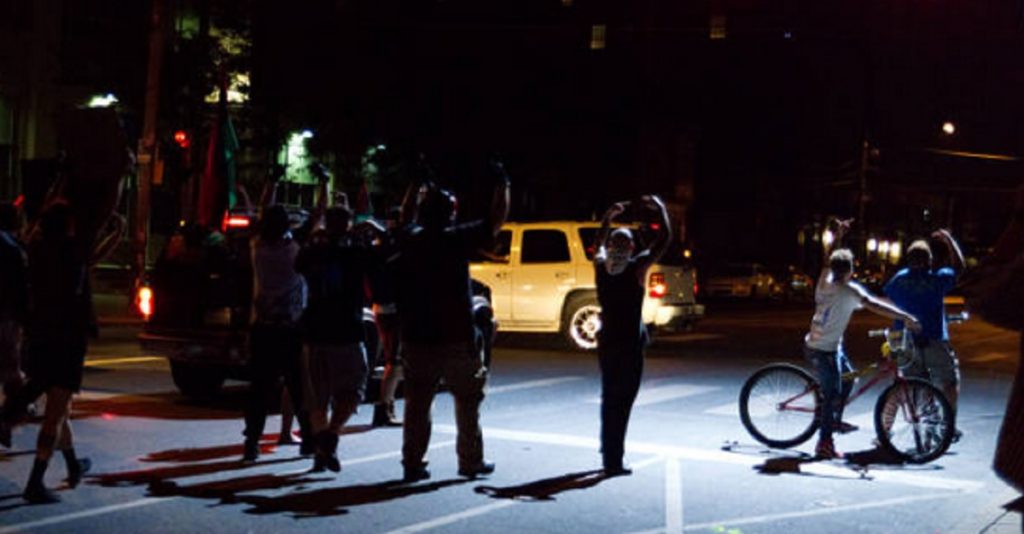
Both a history, analysis, and a proposal for building autonomous power in the city of Philadelphia, PA.
“The Summer of Rage has begun! Get your sun screen on because it’s gonna be a hot one!”
Summer of Rage Anarchist Crew
by Art Burbridge
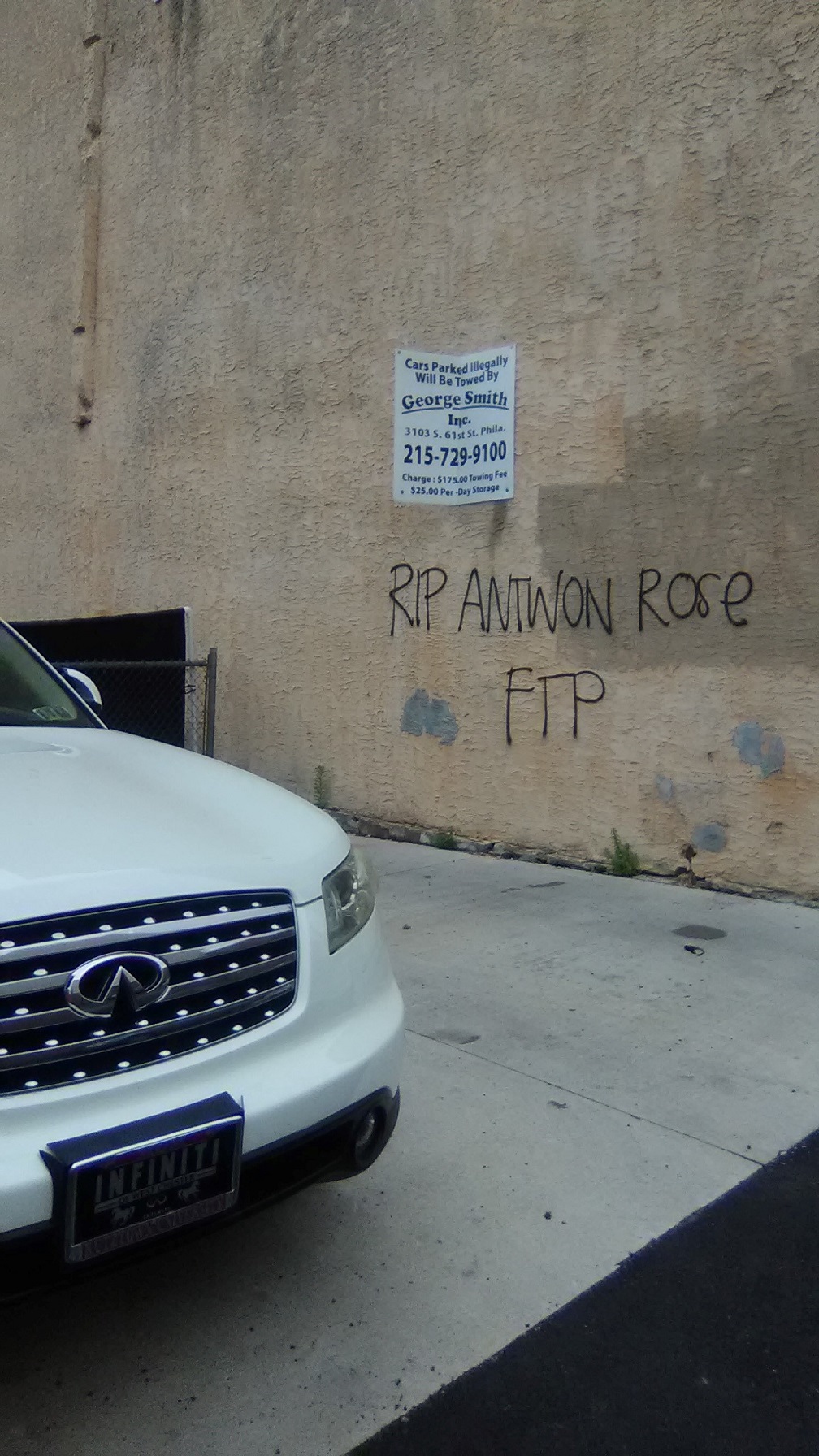
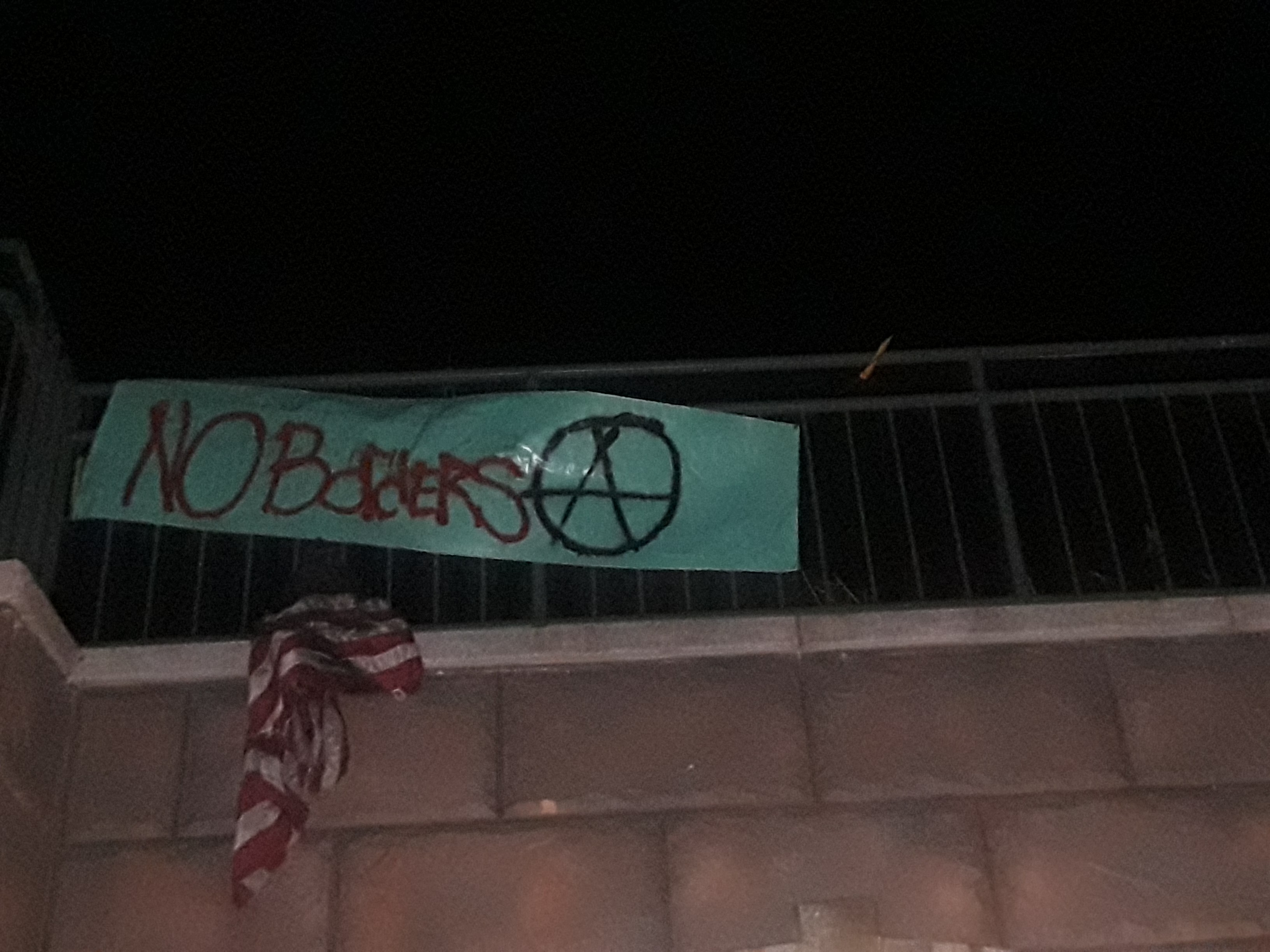
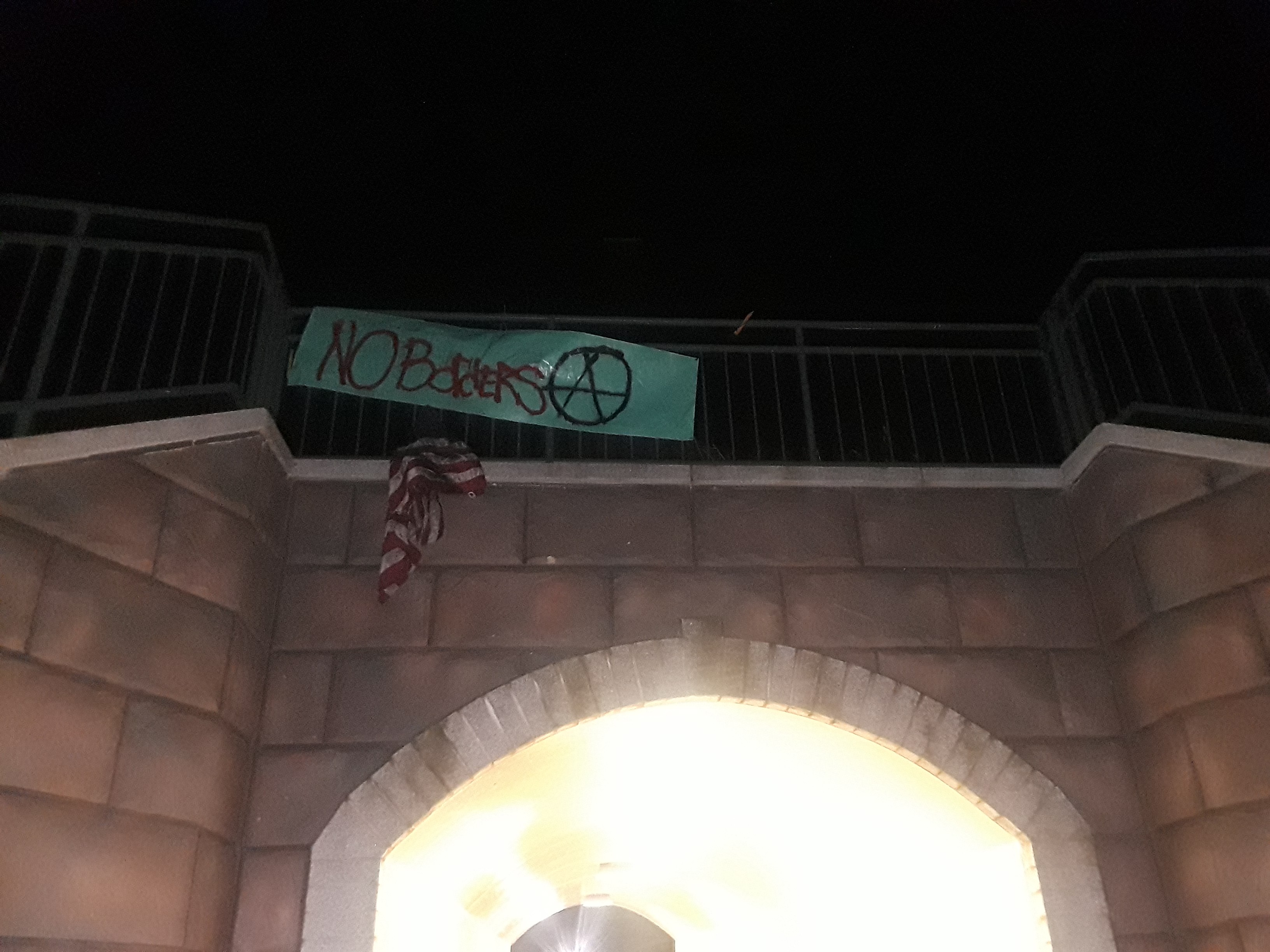
Radical struggle is on the rise in Philadelphia. Since at least 2016, anarchist actions—by the Summer of Rage Anarchist Crew, Antifa, and many others—have been intensifying and broadening in a city that already had a long history of antiauthoritarian struggles. Other groups have been energized too, like prison and police abolitionists, socialists, and Marxists. With anarchists, they are challenging gentrification, police brutality, mass incarceration, predatory landlords, and attacks on workers. These far left forces are starting to converge and overlap—seen in reaction to the killing of a local activist, in the abortive 2016 anti-DNC protests in the city, or in actions against local white supremacy. But the radical scene remains disconnected. It is still struggling to develop on the mass scale that would be needed to challenge capital in a revolutionary way.
Anarchists and their allies confront a city in the middle of a profound neoliberal transition. Since the collapse of much of the local industry, Philly has been undergoing a process of profound transformation by corporations like Comcast and the flood of bourgeois managers, lawyers, and others that corporations bring with them. Internal colonization, displacement, police brutality, and a savage “gig” economy inevitably follow. They deepen the already obscene racial and economic inequality here. But Amazon is threatening to build a new headquarters in the city, a move that would accelerate and intensify Philly’s forces of displacement and domination.
Anarchists play an important role in radical organizing in Philly. They offer a set of ideas, practices, and experiences for building power beyond the state and capital—especially important as capital increasingly relies on an authoritarian, fascistic state to survive. And they provide some of the most important spaces—the Wooden Shoe, A-Space, etc.—for far left groups to meet, hold events, and spread a revolutionary culture.
But what possibilities and obstacles exist here for building revolutionary, autonomous power? To ask this question, I place far left struggles in Philly against the backdrop of its material context—neoliberal capital’s crisis-ridden development on the local, national, and international scene. The point isn’t to give easy answers—there aren’t any—but to help chart some of the potential tasks ahead. Ultimately, I ask: what would it take to make a revolution here?
This piece is part of a series from the Radical Education Department (RED)—see this and this—exploring possibilities for building a revolutionary mass movement today. It emerges out of RED’s attempts—alongside many others—to build mass, revolutionary power in Philly.